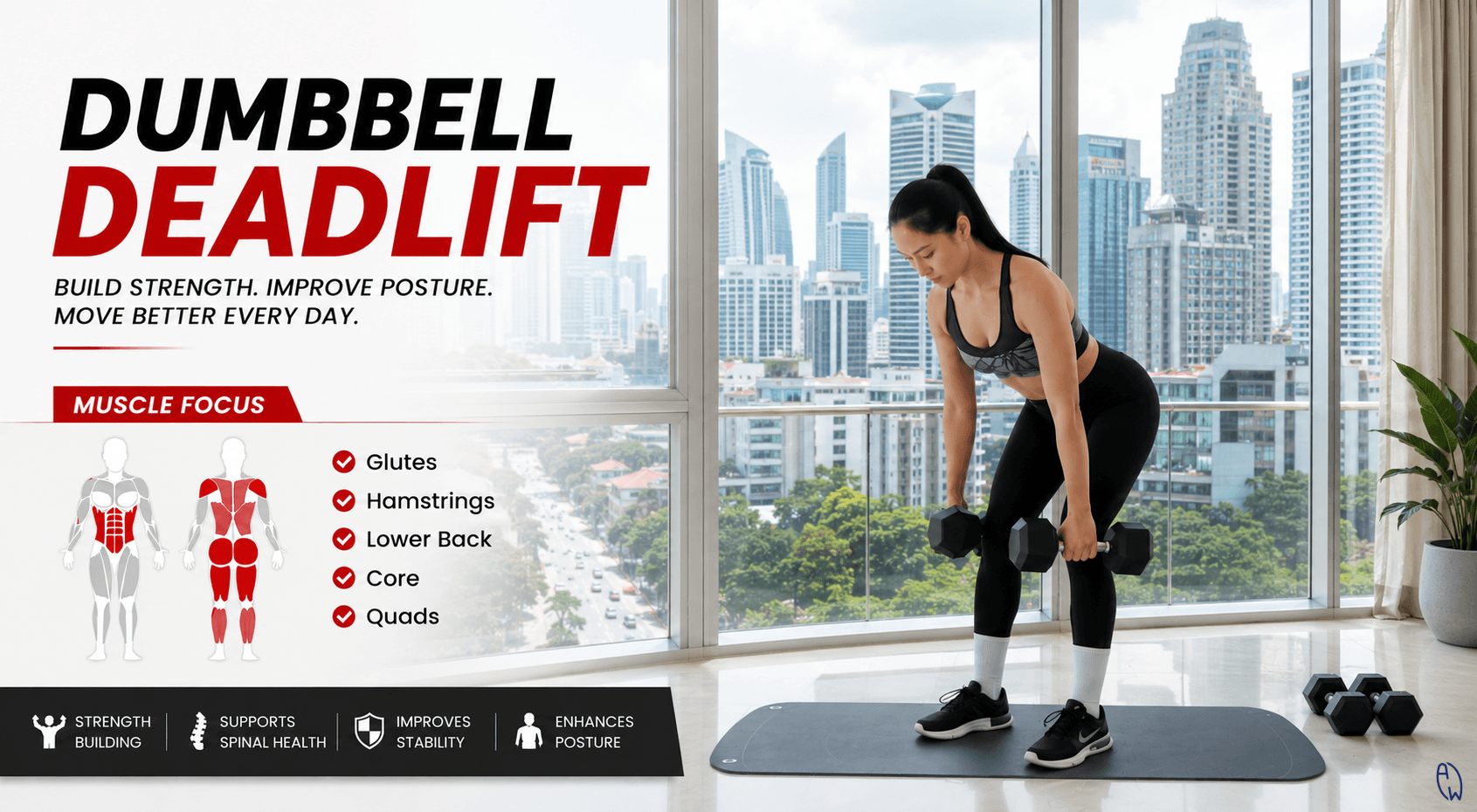
Deadlifting With Scoliosis: Is It Safe? What You Need to Know Before You Lift
Can You Deadlift if You Have Scoliosis?
One of the most common questions we hear at All Well Scoliosis Centre is:
“Can I still go to the gym if I have scoliosis?”
And more specifically:
“Is deadlifting dangerous for scoliosis?”
The short answer is:
It depends on your body, your curve pattern, your movement control, and how you perform the exercise.
Deadlifting is not automatically “bad” for scoliosis. In fact, when properly assessed and coached, it can become a powerful tool to improve posture, strengthen the hips and core, and build resilience in the body.
But there is also an important truth many people miss:
Not every person with scoliosis should deadlift the same way.
Your spine is unique. Your muscular balance is unique. Your breathing mechanics, pelvic position, rib cage orientation, and weight distribution all matter.
That’s why scoliosis rehabilitation should never just focus on the curve itself. We need to understand how the entire body moves together.
Understanding Scoliosis Beyond the X-Ray
Scoliosis is commonly described as a sideways curvature of the spine, but clinically, it is much more than that.
Many people with scoliosis also develop:
-
Muscle asymmetry
-
Rib cage rotation
-
Pelvic imbalance
-
Core weakness
-
Altered gait mechanics
-
Uneven loading through the feet and legs
This means the body may compensate during movement — especially during exercises that involve heavy loading like deadlifts.
That does not mean exercise should be avoided.
In fact, movement is one of the most important things for long-term spinal health.
The goal is not to fear movement.
The goal is to understand movement.
Is Deadlifting Safe for Scoliosis?
For many people, yes — when performed correctly and progressively.
Research continues to show that resistance training can help improve strength, bone density, muscular support, and confidence.
However, scoliosis changes how forces travel through the body. Without proper control, heavy lifting may overload certain areas of the spine, pelvis, or surrounding muscles.
This is why assessment matters.
A deadlift performed with good mechanics can train:
-
Hip stability
-
Glute activation
-
Core bracing
-
Posterior chain strength
-
Functional movement patterns
But poor mechanics may reinforce asymmetrical loading patterns already present in scoliosis.
Common Risks of Deadlifting With Scoliosis
1. Uneven Spinal Loading
Because the spine already has asymmetry, weight may not distribute evenly during lifting.
This can increase stress on:
-
Facet joints
-
Spinal muscles
-
Intervertebral discs
-
SI joints
-
The concave side of the curve
Especially under fatigue.
2. Compensating Through the Lower Back
Many people think they are lifting with their hips — but they are actually hinging excessively through the lumbar spine.
We often see people with scoliosis:
-
Overextend their lower back
-
Rotate during pulling
-
Shift weight to one leg
-
Grip the floor unevenly
-
Brace asymmetrically
This is where symptoms may appear.
3. Poor Core and Rib Cage Control
The spine does not work alone.
Your diaphragm, rib cage, pelvic floor, abdominal wall, hips, and feet all contribute to spinal stability.
If breathing mechanics and core control are poor, the body may struggle to stabilize during heavy loading.
Benefits of Deadlifting for Scoliosis
When properly coached, deadlifting can actually become part of rehabilitation.
Stronger Posterior Chain
Deadlifts strengthen:
-
Glutes
-
Hamstrings
-
Spinal stabilizers
-
Lats
-
Core muscles
These muscles help support posture and reduce excessive spinal stress.
Improved Hip Hinge Mechanics
Many people with scoliosis move excessively through the spine instead of the hips.
Learning proper hip hinging can improve:
-
Lifting mechanics
-
Walking
-
Running
-
Athletic performance
-
Daily movement patterns
Better Core Stability
A properly braced deadlift trains the body to stabilize under load.
This can improve:
-
Postural control
-
Functional strength
-
Movement awareness
-
Body coordination
Bone Density and Long-Term Health
Resistance training may help support bone density and long-term musculoskeletal health.
This becomes especially important as we age.
Increased Confidence
Many patients become fearful of movement after hearing:
-
“Don’t bend”
-
“Don’t lift”
-
“Avoid exercise”
But the body is designed to move.
Appropriate strength training can help rebuild confidence and reduce fear avoidance behaviors.
The Most Important Step Before Deadlifting
Start With Postural and Movement Assessment
Before loading heavily, we encourage people with scoliosis to first understand:
-
Their spinal pattern
-
Pelvic alignment
-
Rib cage position
-
Breathing mechanics
-
Hip mobility
-
Single-leg stability
-
Foot pressure distribution
Sometimes pain is not simply coming from the curve itself.
It may come from:
-
Poor movement strategy
-
Weak glute activation
-
Limited thoracic mobility
-
Core instability
-
Compensations developed over years
This is why assessment matters more than blindly copying gym exercises online.
Tips for Deadlifting Safely With Scoliosis
1. Learn to Hip Hinge Properly
The movement should come primarily from the hips — not excessive spinal bending.
Think:
-
Push hips backward
-
Maintain spinal control
-
Keep tension through the core and glutes
2. Master Technique Before Weight
Do not rush into heavy lifting.
We often recommend:
-
Bodyweight hinge drills
-
Resistance bands
-
Kettlebell deadlifts
-
Light trap bar work
before progressing further.
Quality first.
Load second.
3. Consider Trap Bar Deadlifts
For some people with scoliosis, trap bar deadlifts may feel more comfortable because they allow:
-
A more upright torso
-
Reduced shear stress
-
Better balance
-
Easier positioning
But again — this depends on the individual.
4. Focus on Breathing and Bracing
Proper breathing helps create spinal stability.
The diaphragm, abdominal wall, pelvic floor, and deep core system work together to support movement.
This is why rehabilitation is often more than “just strengthening.”
5. Stop Ignoring Pain Signals
Muscle fatigue is normal.
Sharp pain is not.
Pain during deadlifting may indicate:
-
Poor technique
-
Overloading
-
Loss of stability
-
Compensation patterns
-
Lack of recovery
Do not push aggressively through symptoms.
Alternatives if Deadlifting Feels Too Aggressive
Not everybody needs to conventional deadlift immediately.
Some excellent regression exercises include:
-
Romanian deadlifts
-
Hip thrusts
-
Split squats
-
Goblet squats
-
Cable pull-throughs
-
Kettlebell hinges
-
Farmer carries
These exercises can still build strength while improving movement control.
Should Children or Teenagers With Scoliosis Deadlift?
This depends entirely on:
-
Skeletal maturity
-
Curve severity
-
Movement quality
-
Training supervision
-
Overall conditioning
Exercise itself is not the enemy.
Poorly supervised loading and poor mechanics are the bigger concerns.
In many cases, younger individuals benefit significantly from:
-
Movement education
-
Core control
-
Balance training
-
Breathing mechanics
-
Hip strength development
before heavy loading is introduced.
Scoliosis Is More Than Just “Fixing the Curve”
At All Well Scoliosis Centre, we believe rehabilitation should help people:
-
Understand their body better
-
Move with more confidence
-
Improve long-term function
-
Reduce unnecessary fear
-
Build resilience
Sometimes people spend years chasing pain relief without ever understanding the underlying movement pattern driving the problem.
The goal is not simply to avoid exercise.
The goal is to learn how to move well.
When Should You Seek Professional Help?
You should consider professional assessment if you:
-
Experience pain during lifting
-
Notice major asymmetry during exercise
-
Have moderate or severe scoliosis
-
Feel unstable under load
-
Are unsure about your lifting mechanics
-
Have recurring back tightness after training
A scoliosis-focused rehabilitation approach may help identify:
-
Movement compensations
-
Pelvic imbalance
-
Breathing dysfunction
-
Weakness patterns
-
Mobility restrictions
Sometimes an X-ray is also important so we can understand the full structural picture — not just the symptoms.
Early education and proper rehabilitation may help prevent long-term compensation patterns from worsening over time.
Final Thoughts
Having scoliosis does not automatically mean you should avoid deadlifting forever.
But it does mean you should train smarter.
The best exercise is not the heaviest exercise.
It is the exercise your body can control well.
With proper assessment, individualized programming, and progressive training, many people with scoliosis can safely build strength, improve posture, and stay active for years to come.
Understanding your structure is important.
Understanding how your body moves is even more important.